Currently Empty: $0.00
How to Prepare Ground Before Using a Roller for Flawless Compaction
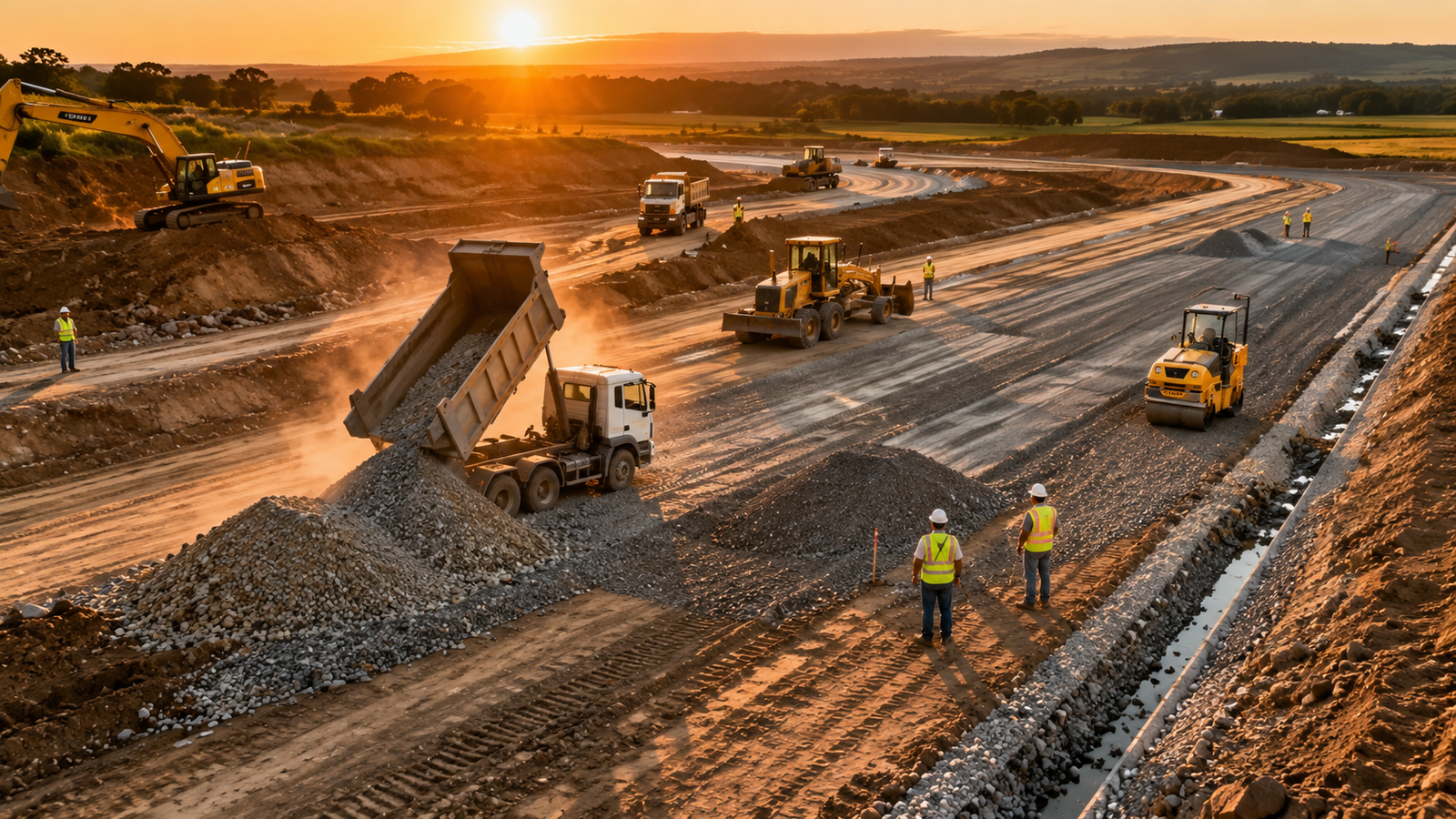
Operating a heavy-duty road roller represents the critical final step in establishing a durable, weight-bearing surface. However, the ultimate success of any compaction effort is decided long before the machinery ever fires up its engine. For contractors, construction business owners, and equipment buyers, achieving a pristine, long-lasting surface requires an uncompromising approach to site preparation. A heavy roller can only consolidate the materials placed before it; it cannot magically fix underlying structural flaws or compensate for poor earthwork. When you prioritize rigorous ground preparation, you guarantee superior project outcomes, protect your bottom line, and establish a reputation for unparalleled reliability.
Understanding how to prepare ground before using a roller is an essential skill that separates professional operations from amateur endeavors. This comprehensive guide outlines the exact steps required to transform raw, unpredictable earth into a highly controlled, compacted foundation. We will explore the critical stages of site clearing, subgrade evaluation, moisture management, grading, lift planning, and final site verification. By mastering these foundational techniques, you ensure your compaction equipment operates at peak efficiency, delivering exceptional value and uncompromising quality to your clients. The journey to a perfectly compacted site begins with systematically stripping away the obstacles that stand in your way.
Executing Comprehensive Site Clearing and Obstacle Removal
Every construction project begins by confronting a chaotic, natural landscape filled with hidden variables. The native site naturally accumulates topsoil, organic matter, decaying vegetation, and heavy debris over decades. Before any meaningful earthwork can commence, contractors must clear the designated work zone down to a stable, workable foundation. This initial clearing phase establishes the physical boundaries of the project and sets the standard for the precise engineering work that will follow.
A severe problem arises when project managers underestimate this phase, rushing the clearing process to deploy heavy compaction equipment faster. Leaving buried tree stumps, expansive root systems, large boulders, or organic topsoil in the work zone creates massive structural liabilities. Organic materials decay over time, leaving invisible voids deep beneath the surface that eventually cause the heavy soil above to collapse. Furthermore, attempting to run a vibratory roller over hidden boulders damages the machine’s internal components, fractures the drum, and sends unpredictable shockwaves through the surrounding soil.
The definitive solution requires deploying bulldozers and heavy excavators to conduct a deep, methodical stripping of the entire site. Operators must remove all organic matter, topsoil, and superficial debris, reaching the stable mineral soil below. Any large rocks or root balls must be entirely excavated and hauled away from the compaction zone. Once the major obstacles are removed, the crew must backfill these localized excavations with engineered fill, ensuring a uniform surface profile across the entire site.
Committing to comprehensive site clearing delivers an immediate, positive impact on your operational efficiency and overall project cost control. Removing hidden obstacles protects your expensive compaction equipment from catastrophic damage, keeping your fleet operational and out of the repair shop. Furthermore, eliminating organic matter guarantees the long-term structural durability of the site, preventing the massive liability of sudden sinkholes or pavement collapses months after the project concludes. With the site properly cleared, contractors must turn their attention to analyzing the hidden strengths and weaknesses of the exposed earth.
Conducting Thorough Subgrade Evaluation and Soil Testing
The freshly cleared native soil, known as the subgrade, serves as the structural anchor for everything built above it. This foundational earth must safely bear the dynamic weight of the compaction equipment, as well as the long-term loads of future infrastructure. However, native subgrade is rarely uniform, often featuring erratic compositions of clay, silt, sand, and rock within a single job site. Evaluating the bearing capacity and composition of this soil is a mandatory step before any roller operations can safely begin.
Contractors frequently encounter the limitation of invisible soft spots or highly expansive clay pockets lurking just beneath the scraped surface. If a crew blindly introduces heavy aggregate and begins rolling over these compromised areas, the heavy machinery will simply pump the native mud upward. This action swallows the expensive imported stone and destroys the structural integrity of the base layer. Moving forward without evaluating the subgrade guarantees uneven compaction, forcing crews to rip up their work and start over at a massive financial loss.
To solve this underlying challenge, site managers must conduct rigorous subgrade evaluations, often utilizing a technique known as proof rolling. By driving a heavily loaded tandem-axle dump truck slowly across the exposed subgrade, supervisors can visually identify areas where the soil deflects, ruts, or pumps under the tires. When these failing zones are identified, the crew must excavate the weak native soil and replace it with stable, engineered aggregate. In cases of severe instability, installing a high-tensile geotextile fabric provides a critical bridging layer that reinforces the subgrade and prevents material migration.
Mastering subgrade evaluation directly secures the long-term durability of the surface and protects your highly valued profit margins. Identifying and resolving soft spots before compaction begins ensures that your heavy rollers operate with maximum efficiency, achieving target density without wasting fuel on failing earth. This proactive approach eliminates the need for expensive, reputation-damaging rework, ensuring you deliver a reliable product to your clients every single time. As the structural integrity of the subgrade is verified, the crew must perfectly balance the chemical element that dictates soil density.
Mastering Moisture Management for Optimal Soil Hydration
Water serves as the ultimate catalyst in the science of soil compaction, acting as a mandatory lubricant that allows earth particles to lock together. Achieving maximum density requires the precise application of moisture, enabling the angular stones or soil grains to slide past one another smoothly under the mechanical force of the roller. Professional contractors understand that bringing the heaviest machine in the fleet will never overcome the physical limitations of improperly hydrated earth.
Operating outside the strict window of proper hydration imposes immediate and severe limitations on the construction site. If the ground remains excessively dry, the vibratory energy of the roller simply bounces the soil particles into the air. This generates massive clouds of hazardous dust while failing to achieve any meaningful density, leaving the ground loose and highly unstable. Conversely, applying too much water turns the work zone into a saturated, unworkable mud pit. Excess water fills the microscopic voids between the soil particles, creating hydrostatic pressure that forcefully pushes the earth apart when the heavy roller passes over it.
To conquer this challenge, crews must strictly target the optimum moisture content for their specific soil type or aggregate blend. This specific percentage of hydration allows the material to reach its maximum dry density under mechanical compaction. Utilizing a dedicated water truck equipped with a calibrated spray system ensures an even, controlled distribution of moisture across the entire work area. If the soil is naturally too wet from recent rains, operators must use discs or harrows to aerate the ground, allowing the sun and wind to dry the earth before the roller ever touches it.
Mastering moisture management directly accelerates your project timeline and maximizes your equipment efficiency. Hitting the exact moisture target allows your operators to achieve passing density tests in significantly fewer passes, drastically reducing daily fuel consumption and mechanical wear. By eliminating the wasted hours spent trying to compact dry dust or waiting for saturated mud to evaporate, construction business owners protect their schedules and boost their daily output. With the moisture precisely dialed in, the operator’s focus must shift to shaping the surface geometry.

Establishing Precision Grading and Surface Profiling
Compacting a surface without proper geometric design creates an inherent flaw that environmental forces will ruthlessly exploit over time. The physical shape of the ground, established by skilled grading equipment prior to the introduction of a heavy roller, serves as the primary defense against the highly erosive power of standing water. A beautifully compacted site that fails to manage precipitation is ultimately a failed project waiting to happen.
The most frequent limitation observed in rushed earthwork is the creation of a completely flat, level surface. When a large construction site lacks a defined slope, rainwater has nowhere to drain and subsequently pools directly on the compacted surface. As heavy equipment or commercial vehicles pass through these lingering puddles, hydraulic pressure forces water down into the soil matrix. This process rapidly accelerates the degradation of the compacted base, inevitably leading to massive potholes, subgrade failure, and highly hazardous operating conditions for the remainder of the project.
Preventing this destruction requires establishing a precise, continuous slope across the entire expanse of the work zone before compaction finalizes the shape. Motor grader or bulldozer operators must meticulously carve a specific cross-slope or crown into the earth, typically pitching the surface at a minimum of one to two percent. This geometric design allows gravity to instantly pull surface water away from the center of the site, directing runoff toward designated drainage swales or retention basins. The heavy roller then follows the grader, locking this vital drainage profile permanently into the dense earth.
Implementing a strict grading and drainage strategy transforms the safety profile and overall performance of the project. A well-drained site maintains its structural integrity during heavy rain events, keeping ground personnel safe and keeping your machinery from getting hopelessly stuck in the mud. For the construction business owner, delivering a properly graded site drastically reduces the client’s future maintenance costs and completely eliminates the liability of standing water. Securing this optimal level of performance naturally depends heavily on managing how much material is placed at one time.
Planning Proper Lift Thickness for Aggregate and Fill
Building the necessary elevation of a construction site requires placing engineered fill or aggregate material over the prepared subgrade. This placement is a delicate process that demands strict operational discipline and precise execution from the entire earthmoving crew. Compaction equipment, regardless of its massive size or technological advancement, only projects its compressive downward force to a limited, calculable depth.
A common and highly destructive mistake involves dumping massive piles of fill dirt from articulated trucks and attempting to grade and compact the entire depth all at once. When operators attempt to compact a single, excessively thick layer of material, the vibratory energy from the machine dissipates entirely before reaching the bottom. This creates a dangerous phenomenon known as bridging, where the top few inches appear dense and impenetrable, while the lower sections remain loose and entirely uncompacted. The moment heavy foundation loads or commercial traffic utilize this poorly constructed site, the rigid top crust breaks through into the loose material below, causing catastrophic structural failure.
The professional construction standard requires placing and compacting the material in measured, controlled layers, known throughout the industry as lifts. Contractors must restrict the uncompacted lift thickness to a depth that their specific roller can easily penetrate, typically no more than six to eight inches for standard granular materials. Equipment operators must carefully spread the moistened material evenly across the designated area, ensuring a uniform depth before the compactor makes its initial pass. By working methodically lift by lift, the compaction energy easily penetrates the entire depth of the layer, forcefully interlocking the material into a solid structure from the bottom up.
Adhering strictly to measured lift thicknesses guarantees the long-term durability of the compacted surface and fiercely protects your profit margins. A foundation built with uniformly dense lifts easily withstands punishing loads without rutting, settling, or shifting over time. This structural integrity ensures that subsequent phases of construction, such as pouring concrete slabs or paving asphalt, occur on an unyielding platform. Getting the density right on every lift prevents failed engineering inspections and eliminates the need to rip up and rework sections of the site. Before the roller finally begins this critical work, one final step remains.
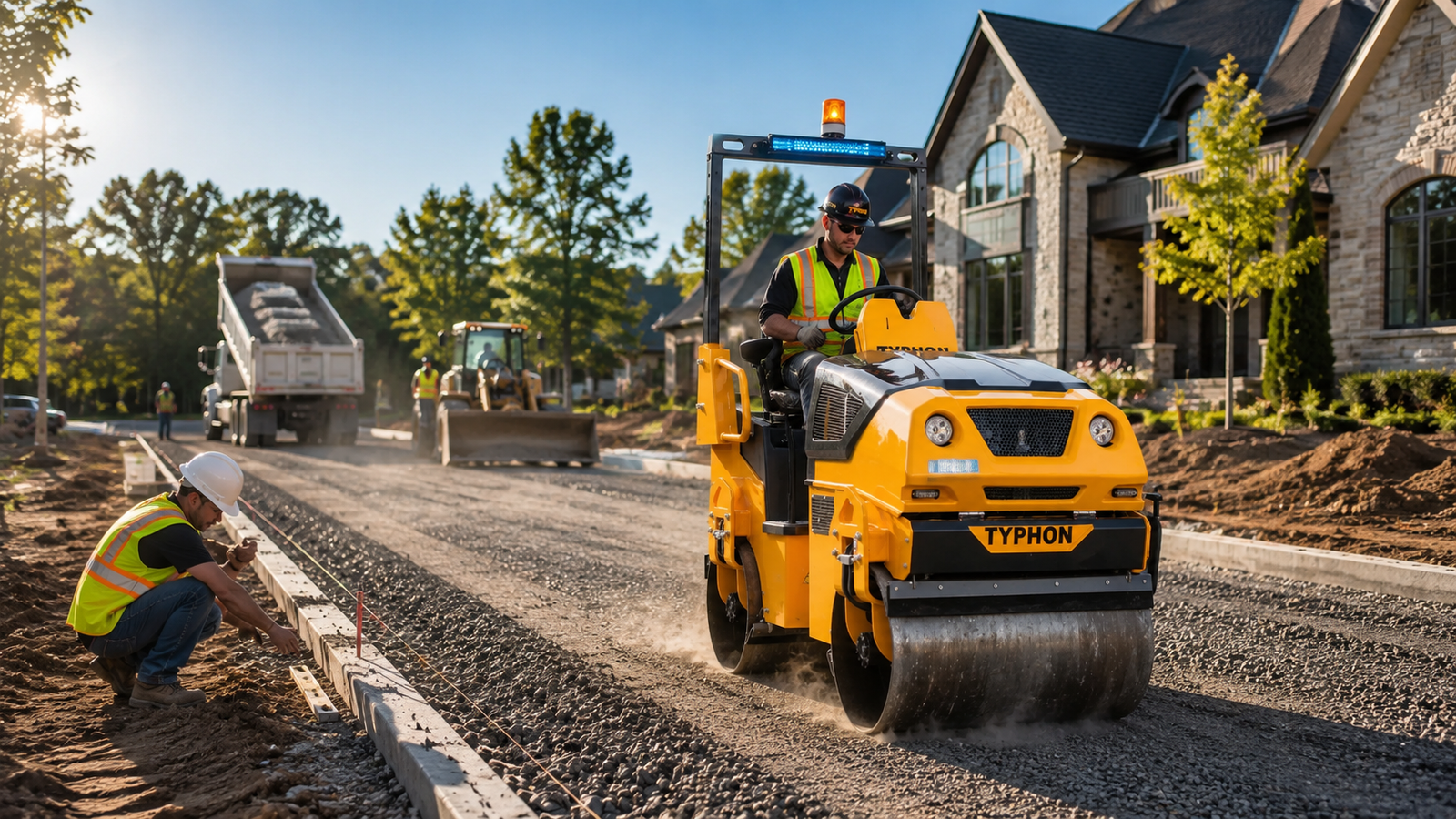
Verifying Complete Site Readiness Before Rolling Begins
The transition from earthmoving to active compaction represents a critical shift in job site pacing and operational focus. Construction crews are naturally eager to deploy their heavy rollers, as seeing the machine at work signifies visible, rapid progress toward project completion. However, starting the compaction sequence prematurely without a final, comprehensive assessment inevitably leads to overlooked errors that compromise the entire effort.
The primary problem with rushing the start of roller operations is the failure to identify minor inconsistencies that become major liabilities once locked into the dense earth. An undetected pocket of dry soil, a subtle dip in the drainage grade, or a localized cluster of oversized rocks will all negatively impact the final density readings. Once the heavy vibratory roller makes its passes, fixing these localized errors requires bringing excavators back into the work zone to tear up the finished product. This disjointed workflow halts site production, frustrates equipment operators, and burns through your daily operational budget.
The solution is implementing a mandatory, formalized site walk-through before the roller operator is authorized to begin. Supervisors must visually verify that the lift thickness is consistent, the moisture content is uniform across the entire footprint, and the grader has perfected the drainage slope. Furthermore, safety managers must ensure that the compaction zone is completely clear of ground personnel, hand tools, and smaller machinery. The roller operator should be briefed on the specific rolling pattern required, ensuring overlapping passes that leave no square inch of the ground untouched.
Enforcing this final verification protocol maximizes your equipment return on investment and ensures flawless execution on the very first attempt. By confirming site readiness, you empower your roller operators to work with absolute confidence, maintaining a steady, productive rhythm throughout their shift. This commitment to process control eliminates chaotic rework, tightly controls your labor costs, and reinforces a culture of safety and excellence among your entire crew.
Conclusion
Understanding how to prepare ground before using a roller is the definitive hallmark of a professional, highly capable construction operation. When contractors abandon the simplistic approach of rushing the earthwork and instead focus on rigorous site clearing, proper subgrade evaluation, and precise moisture control, they produce infrastructure capable of withstanding the most punishing industrial demands. The heavy road roller is an incredible feat of modern engineering, but it requires a perfectly prepared canvas to deliver its maximum structural value.
For construction business owners, site managers, and equipment buyers, mastering these ground preparation techniques translates directly into enhanced operational efficiency and a dominant market reputation. By investing the time to manage lift thicknesses and enforce precise drainage grading, you eliminate costly rework and drastically lower long-term liability for your organization. Commit to these uncompromising best practices on every single project, ensuring your compaction equipment operates flawlessly and your finished surfaces stand the test of time.